Structural Heart and Valve Disease
Conditions We Treat
We treat all structural heart and valve conditions, including:
- Tricuspid valve regurgitation
Meet Your Care Team
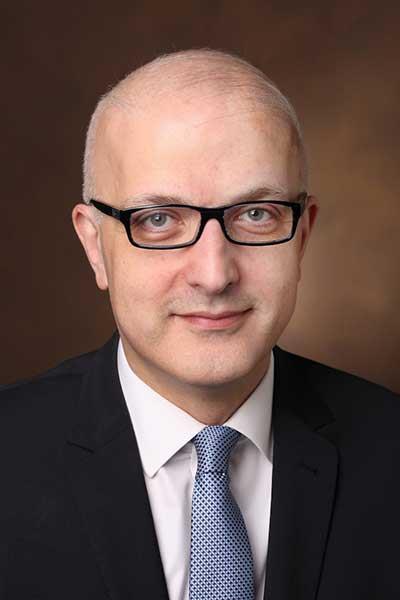
Tarek S. AbsiMD
- Adult Congenital Heart and Valve Disease,
- Cardiac Surgery,
- Cardiac Valve Disease,
- Coronary Heart Disease,
- Heart Valve Center,
- Ischemic Heart Disease,
- Peripheral Arterial Disease
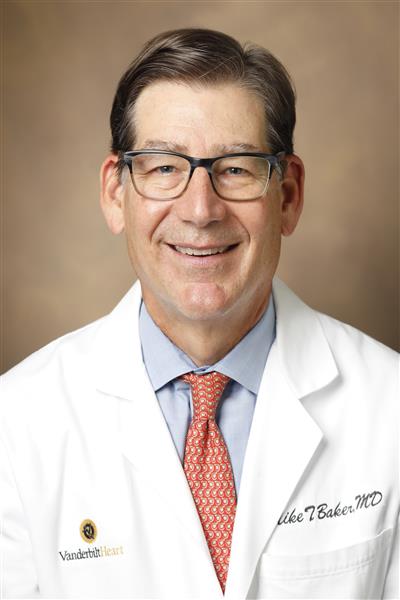
Michael T. BakerMD
- Cardiac Imaging,
- Cardiovascular Medicine,
- General Cardiology,
- Heart Valve Diseases,
- Heart and Vascular,
- Preventive Cardiology
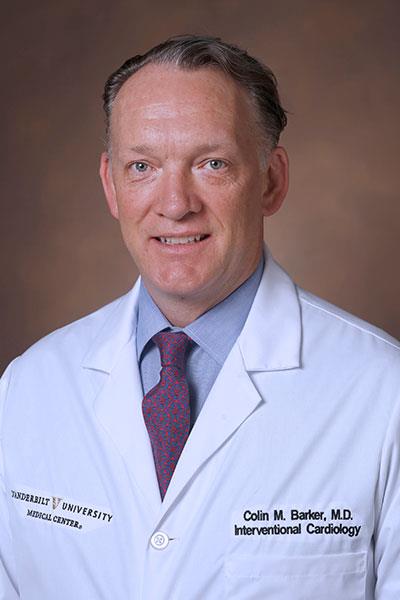
Colin M. BarkerMD
- Cardiovascular Medicine,
- Heart Valve Center,
- Heart and Vascular,
- Interventional Cardiology,
- Interventional Cardiology and Peripheral Vascular Disease
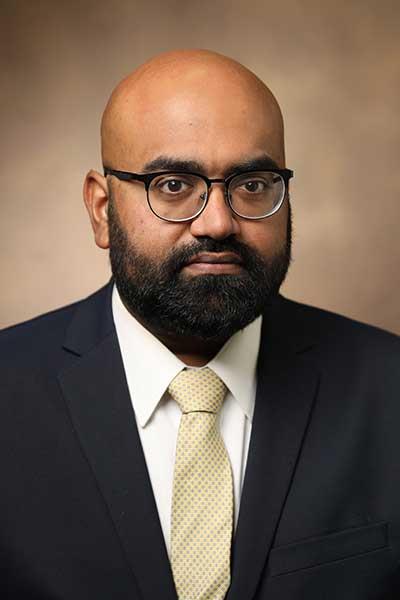
Swaroop BommareddiMD
- Aortic Aneurysms,
- Cardiac Surgery,
- Cardiac Valve Disease,
- Cardiovascular Medicine,
- Heart Transplantation,
- Mechanical Circulatory Support,
- Transcatheter Aortic Valve Replacement (TAVR)

Kashish GoelMD
- Cardiovascular Medicine,
- Coronary Heart Disease,
- Heart Valve Center,
- Heart Valve Diseases,
- Interventional Cardiology,
- Interventional Cardiology and Peripheral Vascular Disease
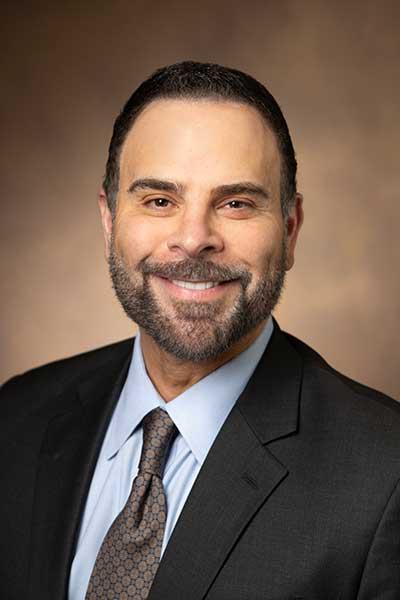
Brian LimaMD
- Aortic Aneurysms,
- Cardiac Surgery,
- Cardiac Valve Disease,
- Cardiovascular Medicine,
- Coronary Heart Disease,
- Heart Transplantation,
- Transcatheter Aortic Valve Replacement (TAVR)
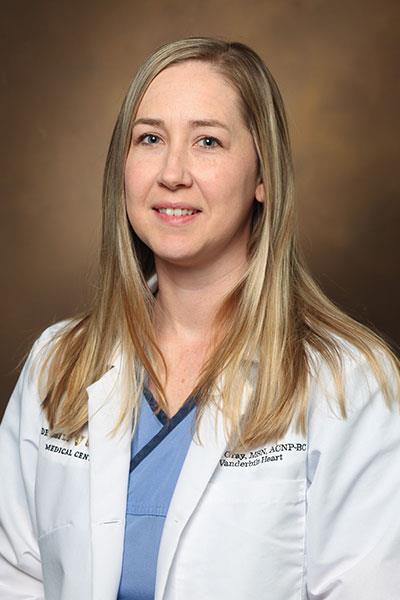
Structural Heart and Valve Disease: Why Choose Vanderbilt
- Recognized care
Vanderbilt is consistently ranked among the nation’s best by leading authorities on health care quality. People from throughout the Southeast and across the country rely on us for the best and most innovative care possible.
- Access to new options
Our researchers are leaders in exploring ways to improve care. You may have the option to take part in studies called clinical trials, which test promising new approaches under close monitoring. Participation is always your choice. We’ll give you the information you need to decide. Explore clinical trials.
- Innovation
Our researchers are dedicated to developing new and more effective approaches to care. We not only apply the latest research, but also pioneer some of the latest innovations. You may have access to treatments before they are widely available.
- Skilled clinicians
Our team includes general cardiologists, interventional cardiologists and cardiac surgeons, all with advanced training and expertise in structural heart and valve disease. We treat patients with all diseases of the aortic, mitral or tricuspid valve, from the routine to the complex. Patients from around the region travel to Vanderbilt for advanced care of common and rare heart conditions.
- Minimally invasive treatment
Less invasive transcatheter and surgical techniques treat many types of valve disease. Incisions are small, if any. And most patients go home the next day.
- Convenience
At our center, you’ll see both a cardiologist and a surgeon in one appointment. You may be able to make a treatment decision that day and have your procedure in a couple of weeks.
Tests, Treatments and Services
We offer a full range of tests, treatments and services, including:
- Transcatheter aortic valve replacement (TAVR)
- MitraClip
- Transcatheter mitral valve replacement (TMVR)
- Transcatheter valve-in-valve procedures
- Transcatheter tricuspid valve interventions
- Paravalvular leak closure