Voice Center
Whether you’re an internationally famous country music star or a kindergarten teacher, our team of specialists at the Vanderbilt Voice Center offers the best possible care for your voice. Our team of laryngologists, voice specific speech language pathologists and singing voice specialists work with you to develop a personalized care plan to meet your unique needs.
And while the Voice Center offers comprehensive voice care, including consultation and vocal training, it’s more than just a place for people seeking care for their voices. The Voice Center also diagnoses and treats a variety of complex swallowing and airway disorders, providing you with an extensive array of treatment options.
Meet Your Care Team
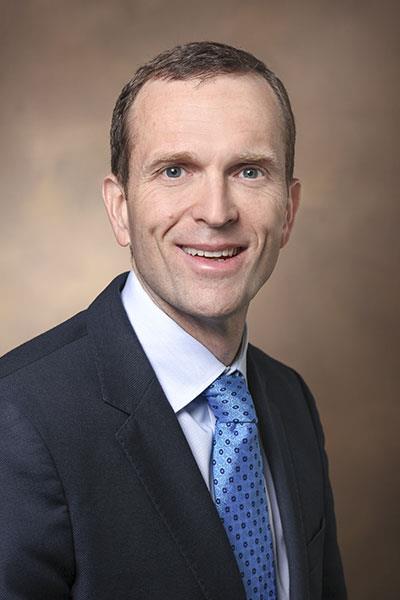
Kenneth C. FletcherMD
- ENT Ear, Nose, Throat (Otolaryngology),
- Otolaryngology,
- Otolaryngology Surgery,
- Voice Disorders
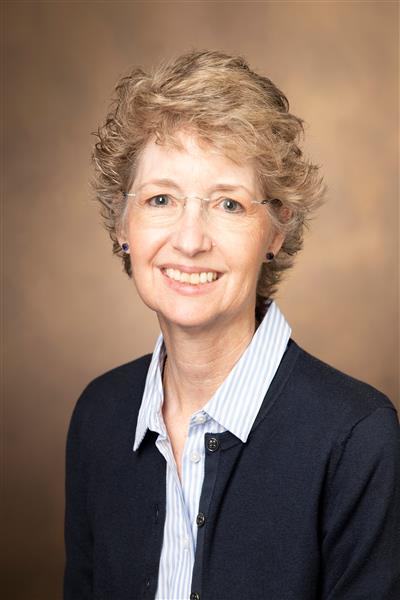
Gaelyn GarrettMMHC, MD
- Airway Reconstruction,
- Breathing Disorders,
- ENT Ear, Nose, Throat (Otolaryngology),
- Otolaryngology,
- Otolaryngology Surgery,
- Swallow Disorders,
- Voice Disorders
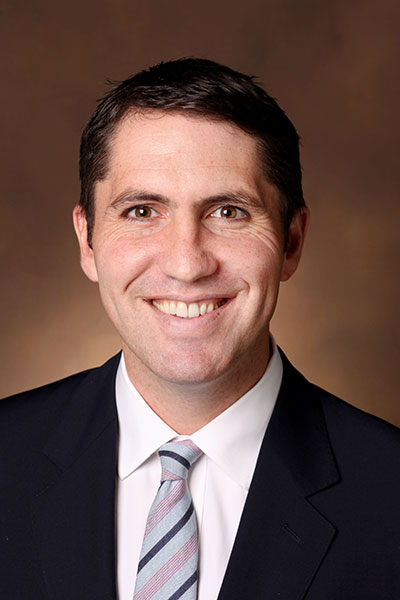
Alexander GelbardMD
- Airway Reconstruction,
- Breathing Disorders,
- ENT Ear, Nose, Throat (Otolaryngology),
- Otolaryngology,
- Otolaryngology Surgery,
- Voice Disorders
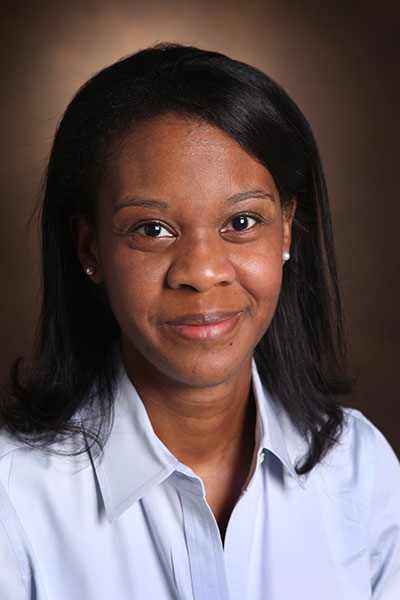
Kimberly N. VinsonMD
- ENT Ear, Nose, Throat (Otolaryngology),
- Laryngology,
- Otolaryngology,
- Otolaryngology Surgery,
- Voice Disorders
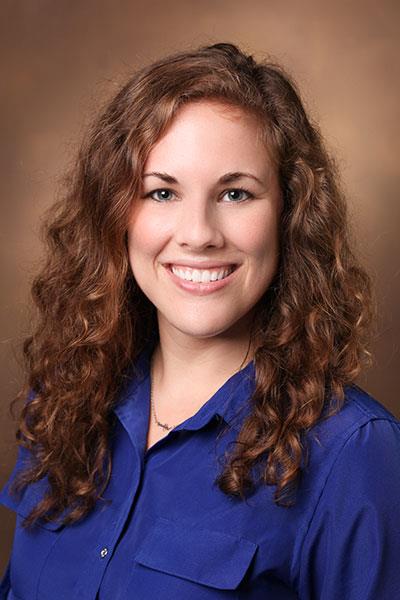
Rachel M. CrewsCCC-SLP, MS
- Adult Gender-Affirming Voice Care,
- Craniofacial Anomalies,
- Laryngectomy Care and Management,
- Neurological Voice Disorders,
- Otolaryngology,
- Speaking Voice Disorders,
- Speech Language Pathology
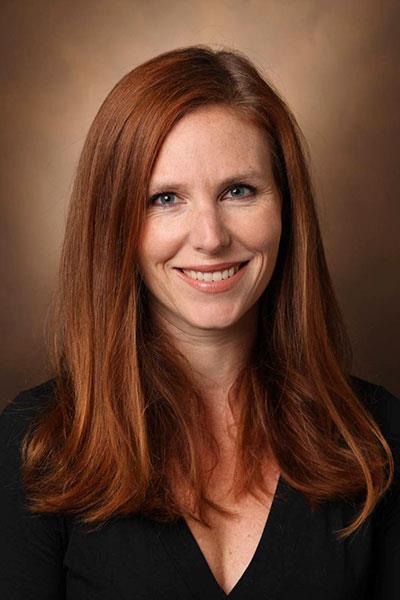
Jennifer C. MuckalaMA, CCC-SLP
- Laryngectomy Care and Management,
- Neurological Voice Disorders,
- Otolaryngology,
- Professional Singing Voice,
- Speaking Voice Disorders,
- Speech Language Pathology,
- Voice Disorders
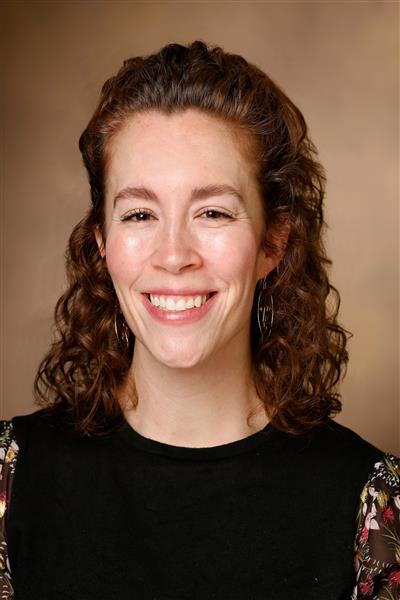
Lydia PionMM, MSc, CCC-SLP
- Adult Gender-Affirming Voice Care,
- Craniofacial Anomalies,
- Laryngectomy Care and Management,
- Neurological Voice Disorders,
- Otolaryngology,
- Professional Singing Voice,
- Speech Language Pathology

Amy S. StoneCCC-SLP, MS
- Adult Gender-Affirming Voice Care,
- Laryngectomy Care and Management,
- Neurological Voice Disorders,
- Otolaryngology,
- Speaking Voice Disorders,
- Speech Language Pathology,
- Voice Disorders
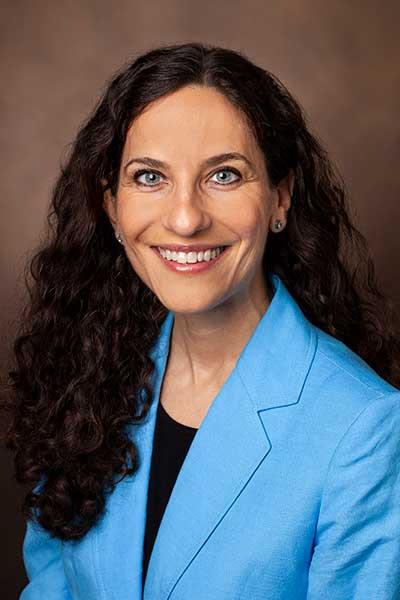
Elizabeth M. TremblayMS, CCC-SLP
- Laryngectomy Care and Management,
- Neurological Voice Disorders,
- Otolaryngology,
- Professional Singing Voice,
- Speaking Voice Disorders,
- Speech Language Pathology
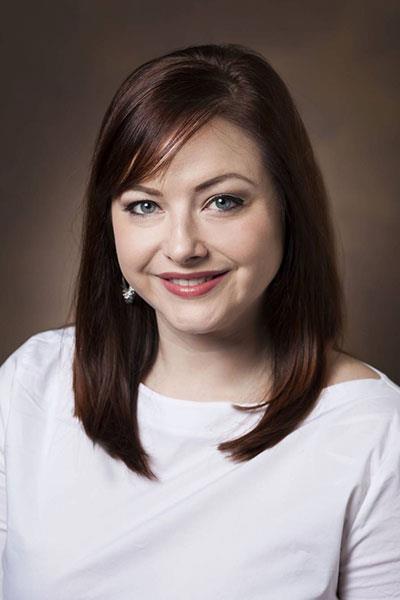
Emily D. WishikCCC-SLP
- Adult Gender-Affirming Voice Care,
- Laryngectomy Care and Management,
- Neurological Voice Disorders,
- Otolaryngology,
- Professional Singing Voice,
- Speaking Voice Disorders,
- Speech Language Pathology
Why Choose Voice Center at Vanderbilt
- Skilled clinicians
Our program is one of the oldest and most prestigious training programs for laryngologists in the nation. All of the Voice Center’s laryngologists have completed fellowships and have extensive specialized training in treating voice, swallowing and airway disorders.
- One convenient location
Our specialists offer all medical and support services in one place. With comprehensive care from imaging to treatment to recovery support in one location, you can focus on improving your health.
- Latest technology
Our advanced technology allows us to offer the latest diagnostic and treatment procedures available. We provide video imaging and stroboscopy of the larynx with real-time video storage, as well as numerous other in-office procedures. And while they’re not high-tech, the grand pianos and guitars in our treatment suites are first-rate for singers experiencing voice problems, too.
- Comprehensive care
Our Voice Center is home to one of the busiest spasmodic dysphonia practices in the country. We regularly work with people experiencing uncontrollable spasms of their voice box muscles as a result of this neurological condition, making us uniquely qualified to care for you.
- Knowledge and experience
In 2018, our team performed more than 450 adult and pediatric procedures to treat laryngeal (voice box) and tracheal (windpipe) conditions. As one of the busiest complex airway reconstruction programs in the nation, our high volume of procedures translates into expert care for you.
- Advanced care
As part of the region’s leading academic health system, we’re leaders in solving the most complex problems. That prepares us to solve any problem. You can rest assured you’ll receive the latest care available.
- Second opinions
A second opinion can help you make the best health decisions. We review your medical history, diagnostic tests, any previous treatments and your personal preferences to give you an informed opinion.
Vanderbilt Voice Center
Tests, Treatments and Services
We offer a full range of tests, treatments, and services including:
- Computerized voice analysis
- Nasopharyngoscopy (or nasoendoscopy)
- Videostroboscopy
- Lee Silverman voice treatment (LSVT)
- Laser procedures
- Speech therapy
- Voice fold injection laryngoplasty