Pituitary Center
Conditions We Treat
We treat all pituitary conditions, including:
Meet Your Care Team
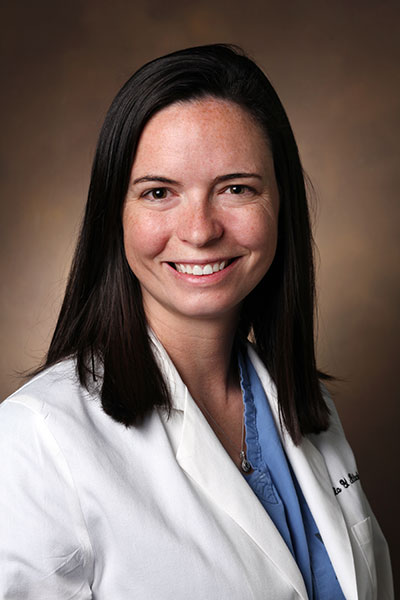
Lola B. ChamblessMD
- Acoustic Neuroma, Brain Cancer, Brain Tumor/Cancer, Neurologic Surgery, Neurological Surgery, Otolaryngology, Pituitary Surgery
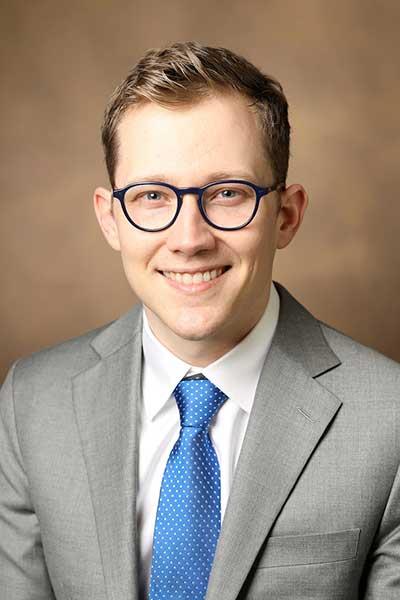
Patrick D. KellyBS, MD, MSCI
- Acoustic Neuroma, Brain Tumor/Cancer, Neurologic Surgery, Neurological Surgery, Otolaryngology, Pituitary Surgery, Skull Base Surgery
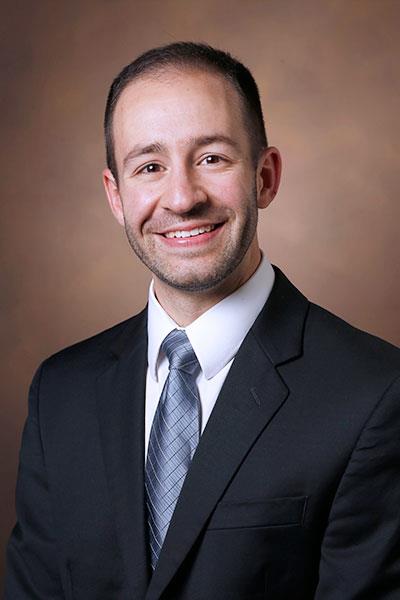
Peter J. MoroneMD, MSCI
- Acoustic Neuroma, Brain Tumor/Cancer, Neuro-Oncology, Neurologic Surgery, Neurological Surgery, Otolaryngology, Pituitary Surgery
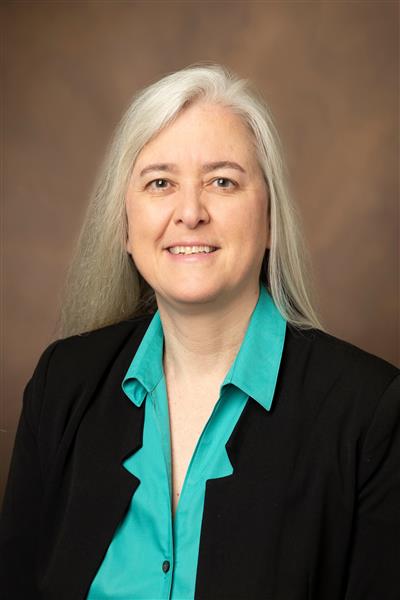
Andrea L. UtzMD, PhD
- Diabetes, Diabetes and Endocrinology, Endocrinology and Metabolism, Pituitary and Neuroendocrine Disorders
Why Choose Pituitary Center at Vanderbilt
- Recognized care
Vanderbilt is consistently ranked among the nation’s best by leading authorities on health care quality. People from throughout the Southeast and across the country rely on us for the best and most innovative care possible.
- Team approach
We work together to ensure that you receive the comprehensive care you need. Our team members collaborate with each other, as well as with experts in other medical disciplines, to provide you with individual care that addresses your unique needs.
- Online health portal
We want to make your experience as seamless and stress-free as possible. You can use our secure online portal, My Health at Vanderbilt, to send messages to your care team, schedule appointments, manage medications and access your medical records.
Tests, Treatments and Services
We offer a full range of tests, treatments and services, including:
- CRH stimulation test
- Dexamethasone suppression test
- Inferior petrosal sinus sampling
- Oral glucose growth hormone suppression