Heart Failure Program
Vanderbilt Health has one of the top heart failure programs in the nation. We have the expertise to care for all stages and causes of heart failure, from the most basic to the most complex. Our innovative treatments offer hope when you need it most.
Conditions We Treat
We treat all types of heart failure and advanced heart failure, including:
- Congenital heart disease
- Heart disease due to cancer or cancer treatment
- Heart failure with reduced injection fraction
Meet Your Care Team
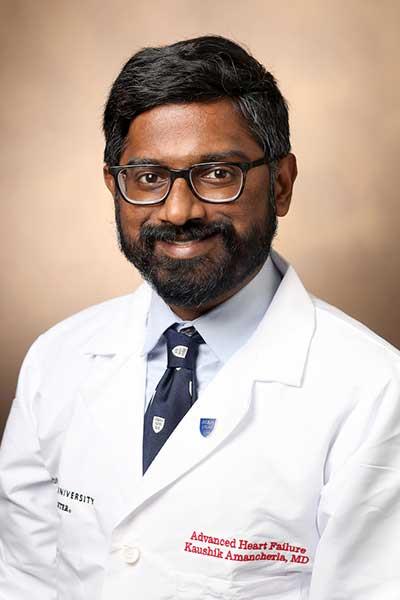
Kaushik AmancherlaMD
- Cardiovascular Medicine,
- Congestive Heart Failure,
- Heart Transplantation,
- Mechanical Circulatory Support
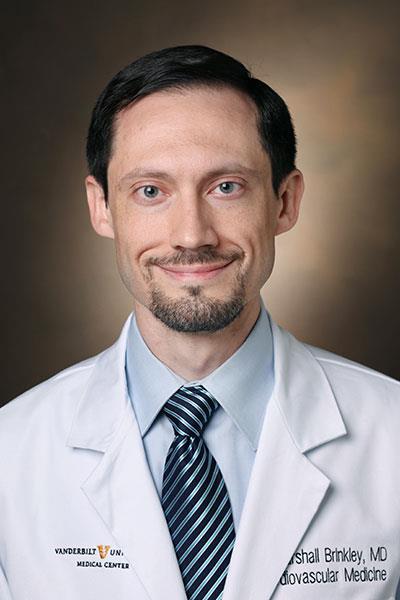
Douglas M. Brinkley JrMD
- Cardiovascular Medicine,
- Congestive Heart Failure,
- Heart Transplantation,
- Hypertrophic Cardiomyopathy & Inherited Disease,
- Mechanical Circulatory Support
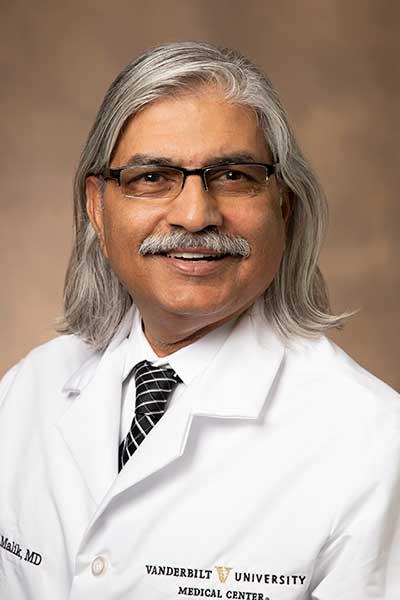
Furrukh S. MalikMD
- Advanced Heart Failure and Transplant Cardiology,
- Cardiovascular Disease,
- Cardiovascular Medicine,
- Hypertension,
- Mechanical Circulatory Support

Jonathan N. MenachemMD
- Cardiovascular Medicine,
- Congestive Heart Failure,
- Heart Transplantation,
- Mechanical Circulatory Support

Lisa A. MendesMD
- Cardiac Imaging,
- Cardiovascular Medicine,
- Congestive Heart Failure,
- Coronary Heart Disease,
- General Cardiology,
- Heart Valve Diseases,
- Heart and Vascular
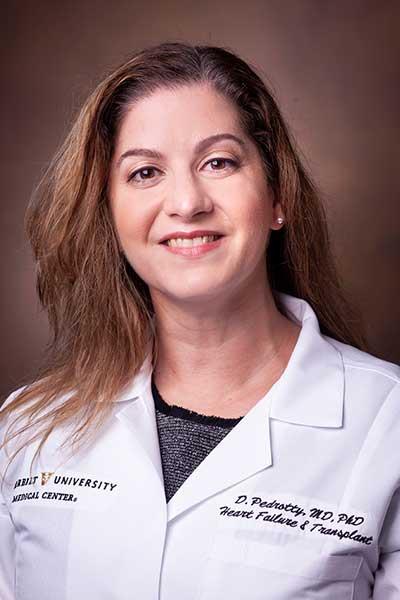
Dawn M. PedrottyMD, PhD
- Advanced Heart Failure and Transplant Cardiology,
- Cardiovascular Medicine,
- Congestive Heart Failure,
- Mechanical Circulatory Support
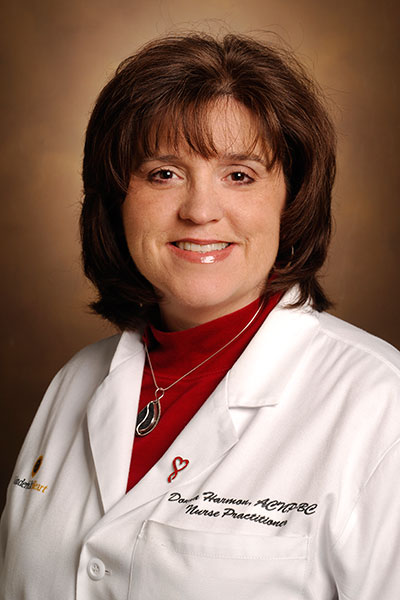
Donna HarmonAPRN
- Advanced Heart Failure and Transplant Cardiology,
- Cardiovascular Medicine,
- Congestive Heart Failure,
- Heart Transplantation



Why Choose Heart Failure Program at Vanderbilt
- Recognized care
Vanderbilt is consistently ranked among the nation’s best by leading authorities on health care quality. People from throughout the Southeast and across the country rely on us for the best and most innovative care possible.
- Knowledge and experience
We serve a large number of patients, which gives us vast experience. That means expert care for you. We welcome patients with even the most advanced or complex heart failure, who may have been turned away by other hospitals. Vanderbilt Health is one of the top heart transplant programs in the world, providing patients with outstanding outcomes and access to innovative new research and treatments. Our specialists also provide lifesaving heart-kidney, heart-liver and heart-lung transplants for patients with multiple organ failure.
- Team approach
Our cardiologists and surgeons work with social workers, dietitians, psychologists and pharmacists to provide complete care that is personalized for you. We will help you and your family understand your treatment options, whether that means simply changing your diet and exercise, or medication, surgery, mechanical circulatory support or a heart transplant.
- Innovation
Our heart specialists help develop new ways to treat heart failure. For example, we were among the first hospitals to use the Optimizer® cardiac contractility modulation device, recently approved by the Food and Drug Administration for heart failure patients who can’t have cardiac resynchronization therapy. As one of the first hospitals in the Southeast to offer ventricular assist devices (VADs), we’ve implanted more than 500, including implanting the first total artificial heart in 2018. We also have been among the first to provide newer technologies, such as extracorporeal membrane oxygenation for patients with severe conditions.
- Advanced care
As part of the region’s leading academic health system, we’re leaders in solving the most complex problems. That prepares us to solve any problem. You can rest assured you’ll receive the latest care available.
- Access to new options
Our researchers are leaders in exploring ways to improve care. You may have the option to take part in studies called clinical trials, which test promising new approaches under close monitoring. Participation is always your choice. We’ll give you the information you need to decide. Explore clinical trials.
Tests, Treatments and Services
We offer a full range of tests, treatments and services, including:
- Blood tests
- B-type natriuretic peptide blood test
- Coronary artery bypass grafting
- Echocardiography
- Electrocardiography (ECG or EKG)